
Changes in appetite, body condition, or willingness to work can raise concern about gastric ulcers. These signs are not specific enough to diagnose ulcers on their own. Gastroscopy allows the veterinarian to see the stomach lining, identify the region affected, and choose treatment accordingly. A useful plan combines appropriate medication, changes to daily management, and follow-up to assess healing. [1]
Two stomach regions with different vulnerabilities
The upper, squamous portion of the stomach has relatively little protection against acid. Repeated acid exposure can damage this lining, producing equine squamous gastric disease, or ESGD. The lower, glandular portion normally produces acid and has protective mechanisms that help it tolerate that environment. Equine glandular gastric disease, or EGGD, involves failure of those defenses; its causes are less completely understood. A horse can have disease in either or both regions. [1]
That distinction changes treatment. A protocol that works well for squamous ulcers may be insufficient for glandular lesions. The location and appearance of lesions therefore matter alongside the horse’s history and examination.
What happens during a scope
Gastroscopy usually takes place with the horse standing under sedation. A long, flexible camera passes through a nostril, down the esophagus, and into the stomach. The veterinarian uses air and rinsing as needed to inspect the lining, including the glandular region and the pylorus, the stomach’s outlet. The examination itself often takes about 15 to 30 minutes, although preparation and recovery add time. Routine gastroscopy does not require an incision or general anesthesia. [2]
An empty stomach is essential for a useful view. Follow the clinic’s exact instructions for withholding feed and water, including access to grass or edible bedding. Tell the team about medications and any condition that makes fasting a concern. Do not stop prescribed treatment without instructions. Afterward, the team will explain when it is safe to offer food as sedation wears off. [2]
Gastroscopy examines the stomach; it does not diagnose all causes of abdominal discomfort or directly assess the hindgut. Finding ulcers also does not prove that they explain every behavioral or performance problem. Other causes may still need investigation. [1, 3]
From our scope room
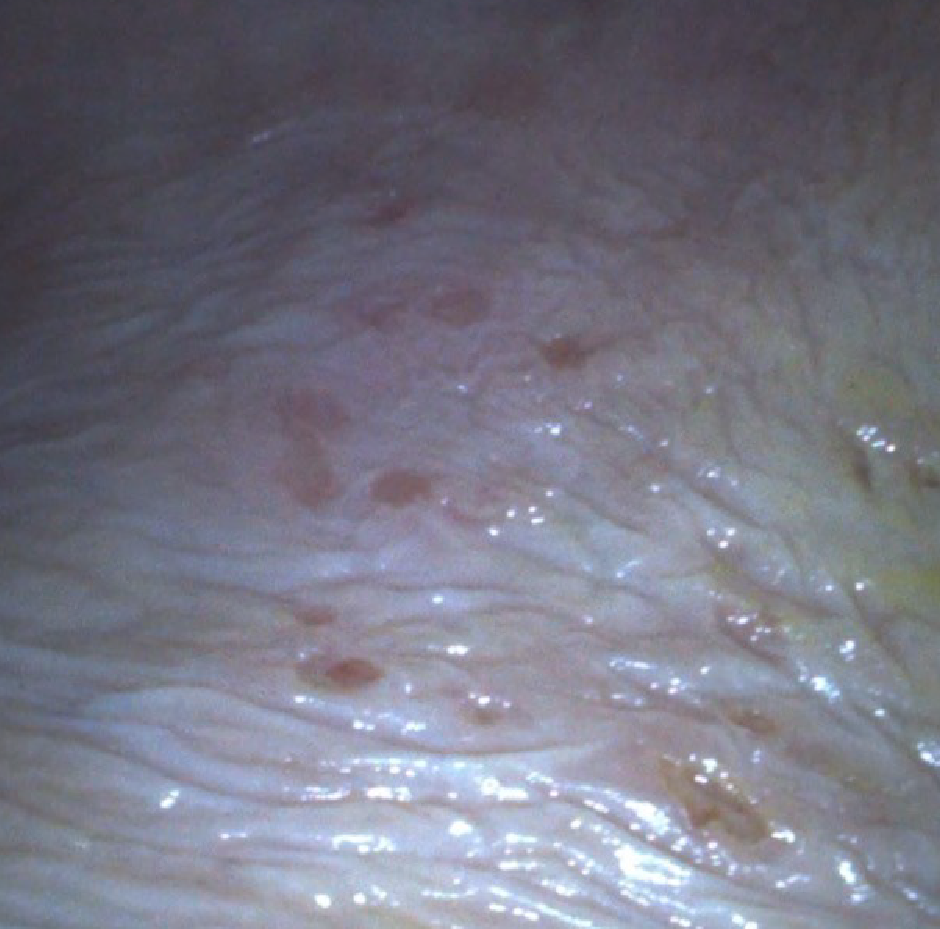
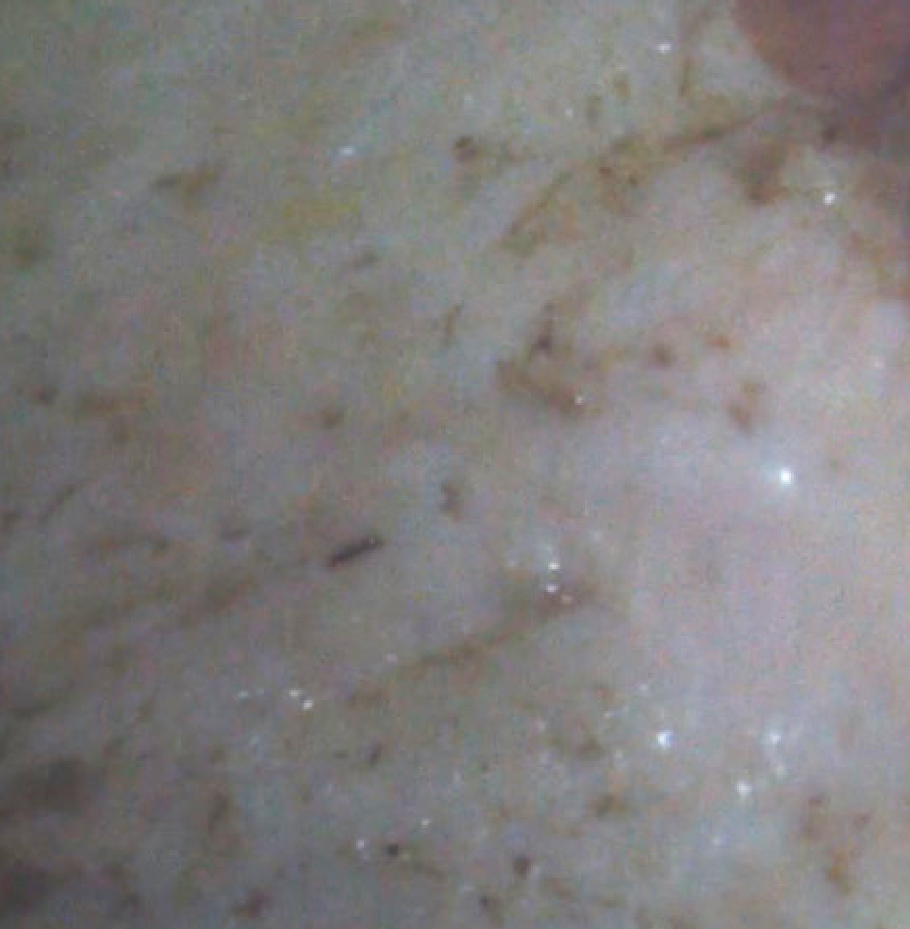
A real case, scoped before and after treatment
These images come from a gastroscopy like the one described above — the same stomach, before treatment and once healing was underway.
How the medications differ
Omeprazole reduces acid secretion by blocking the stomach’s proton pumps. It is a central treatment for squamous disease. The formulation, administration schedule, and duration affect results, so an appropriate veterinary product and clear instructions matter. GastroGard is labeled for treatment, while UlcerGard is labeled for prevention under specified conditions. Both contain omeprazole, but the preventive instructions should not be substituted for a prescribed treatment course. [4, 5]
Sucralfate helps protect damaged mucosal surfaces and is often paired with acid suppression for glandular disease. It does not work by switching off acid production. Because it can affect the absorption of other medications, the veterinarian may specify spacing between doses and other treatments. [3]
Misoprostol is a prostaglandin analogue that supports protective processes in the stomach lining. It is an option for selected glandular cases. Research has reported benefit, but responses vary, and study results do not establish one universally successful regimen. Diarrhea or abdominal discomfort can occur. Pregnancy and handling precautions are important and should be discussed before prescribing or administering it. [6, 7]
Medication choice should follow the type of disease, the individual horse, and reassessment. Do not assume that persistent symptoms simply require more acid suppression. A repeat scope can show whether the original lesions have healed or whether the plan needs to change. [3]
Supporting stomach health after treatment with Summit Gut Balance
Once ulcer treatment is complete, ongoing digestive care becomes an important part of the horse’s daily routine. Summit Gut Balance offers a convenient daily supplement option for this stage, with a formula designed to support gastric comfort, the stomach’s protective lining, and a healthy gut microbiome. It combines L-glutamine, magnesium oxide, aloe vera, and prebiotics and probiotics to complement a thoughtful feeding and management program. [8]
For horses returning to training, traveling, or managing other recurring stressors, Gut Balance can be included in a long-term plan aimed at reducing the risk of ulcer recurrence. Its role is to provide daily digestive support alongside adequate forage, appropriate meal sizes, consistent routines, and veterinary follow-up. Preliminary manufacturer-reported findings are encouraging, although controlled research is still needed to establish whether Gut Balance itself reduces ulcer recurrence. [8, 9]
We recommend discussing Gut Balance as a supportive option after prescribed treatment, with the plan tailored to your horse’s diet and workload. Confirm healing when your veterinarian recommends a repeat scope, and seek reassessment if signs return. Supplementation complements this care rather than replacing medication for active ulcers. Equine Performance Veterinary Practice and Summit Animal Health share common ownership.
Reducing recurrence through daily management
Review forage access, meal size, training, travel, and social stress. Avoid prolonged periods without forage where possible, provide dependable water, and reduce large starch-rich meals when the horse’s nutritional needs can be met in other ways. Turnout, consistent routines, and suitable rest periods may help address relevant risks. Any feeding changes must also account for obesity, insulin dysregulation, and laminitis risk. [10]
Review anti-inflammatory medication use with your veterinarian rather than changing it independently. Selected horses may benefit from preventive omeprazole during defined high-risk periods, following veterinary advice and product labeling. A supplement or medication cannot guarantee protection while all other risk factors remain unchanged. [3, 5]
Contact Equine Performance Veterinary Practice to discuss whether gastroscopy is appropriate for your horse. The aim is to identify the problem, document a response, and build a management plan that is practical to maintain.
Sources and further reading
[1] ECEIM consensus statement — Equine Gastric Ulcer Syndrome in Adult Horses
[2] Virginia Tech Marion duPont Scott Equine Medical Center — Gastroscopy
[3] Merck Veterinary Manual — Gastric Ulcers in Horses
[4] DailyMed — GastroGard prescribing information
[5] DailyMed — UlcerGard labeling
[6] Varley and colleagues — Misoprostol compared with omeprazole and sucralfate for glandular disease
[7] Equine glandular gastric disease review — Treatment and management
[8] Summit Animal Health — Gut Balance product information
[9] Summit Animal Health — Manufacturer report on gastric ulcer improvement
[10] UC Davis Horse Report — Fall 2025 gastric health issue
This information does not replace veterinary advice for your individual horse.
Dr. Heather Farmer is a co-founder and co-owner of Summit Animal Health. EPVP sells Summit products.